Torre Velasca

Modern sports supplement packaging tubes with bold typography and color-block design

project overview

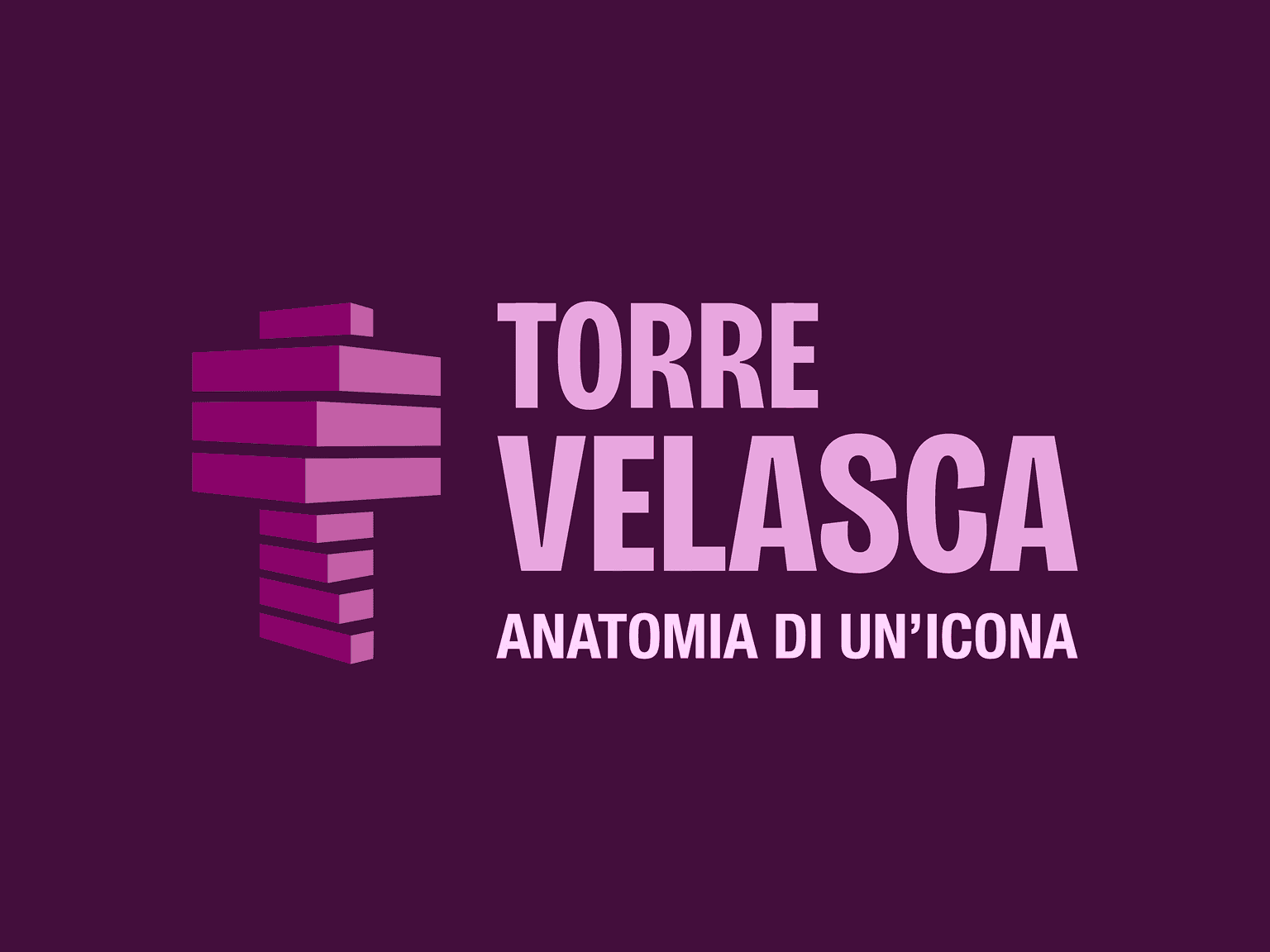
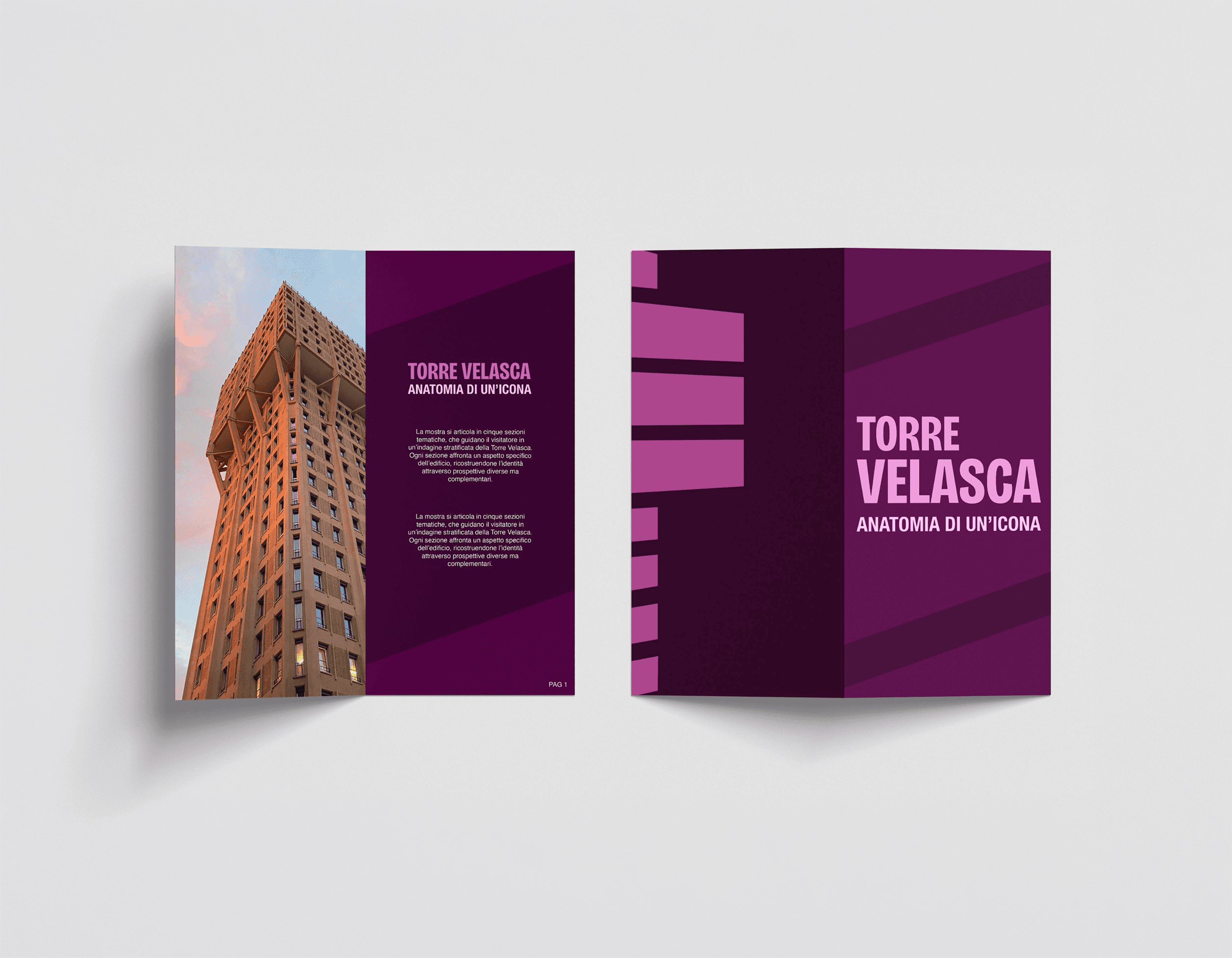
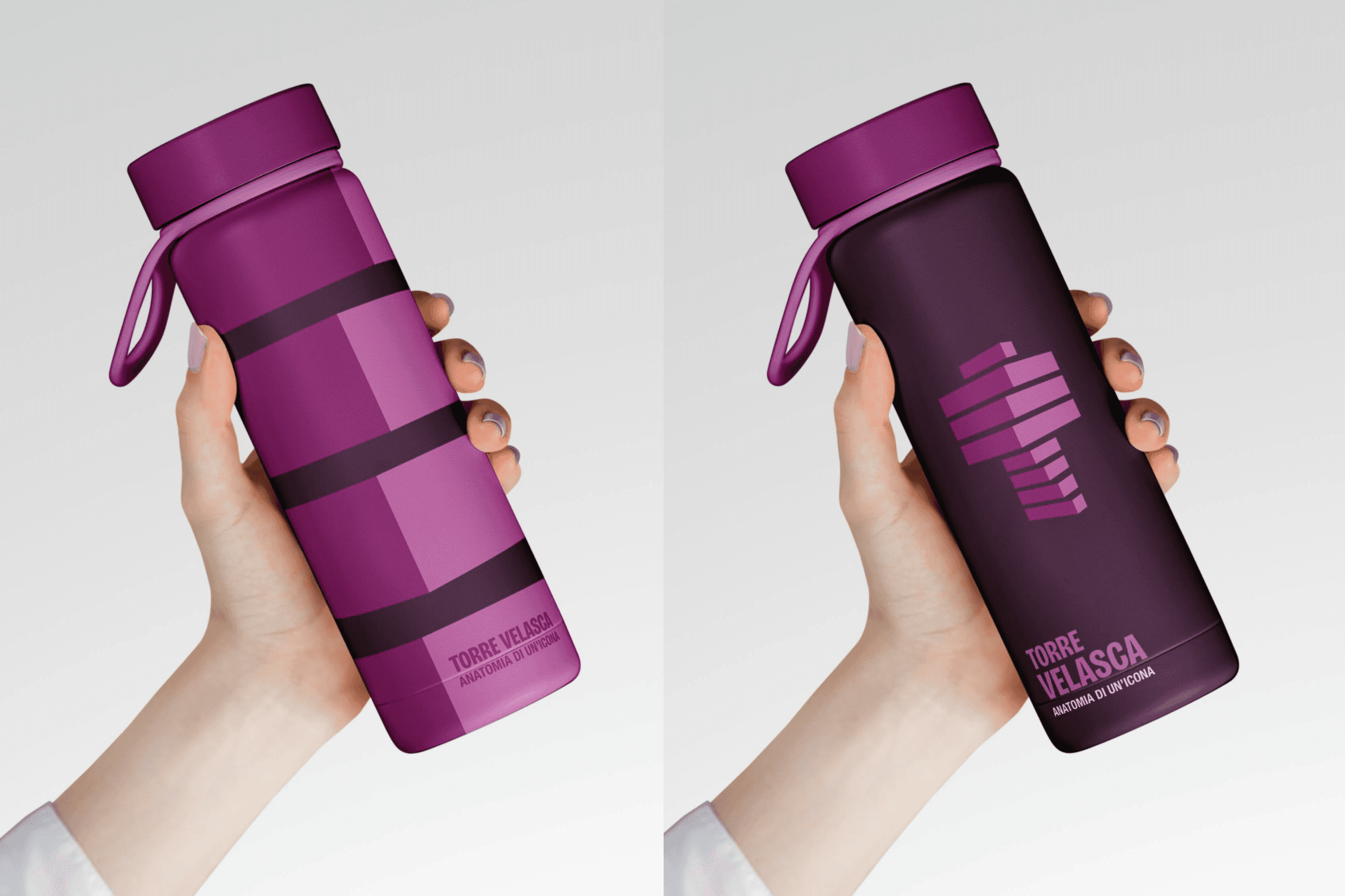
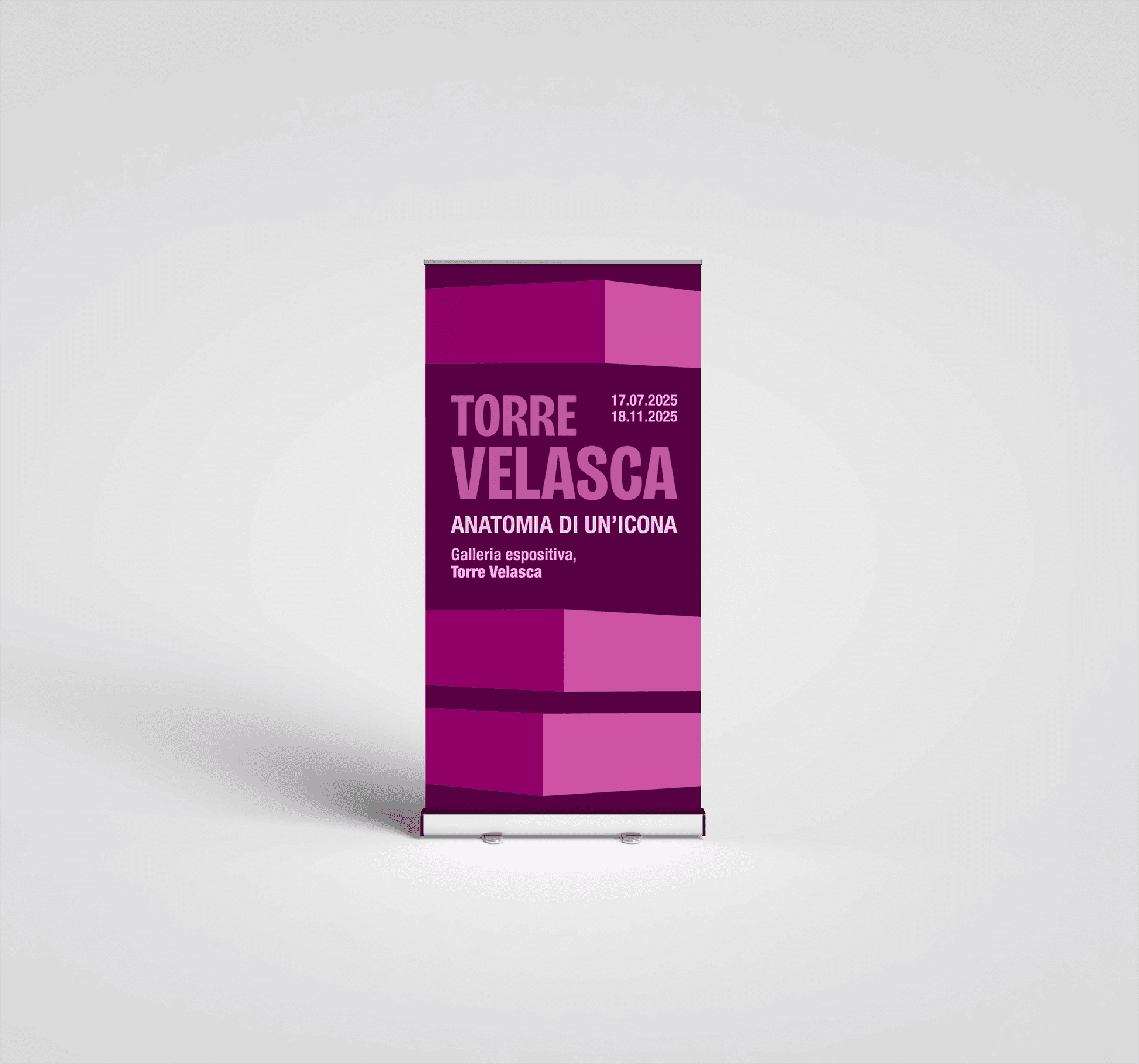
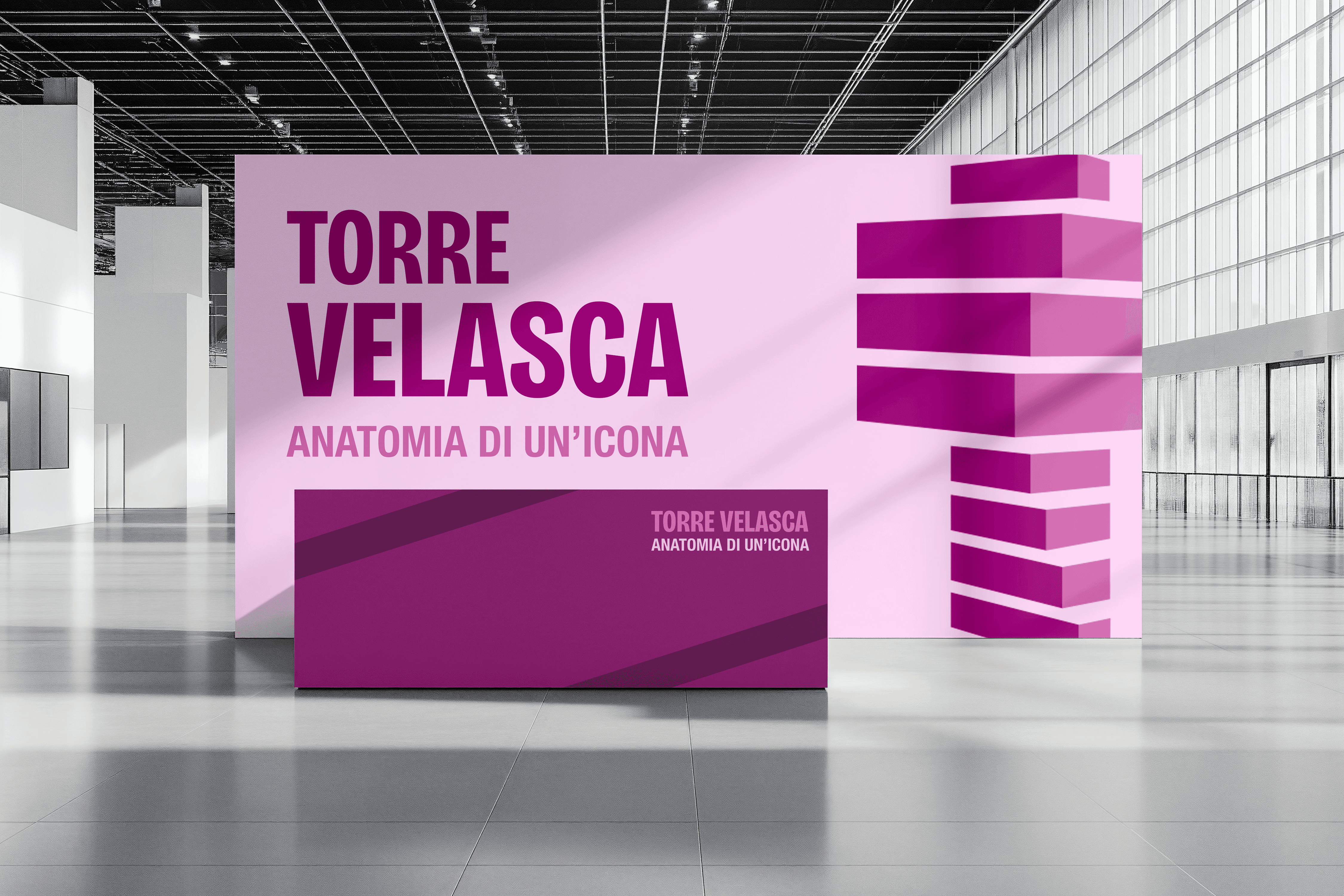
Anatomy of an Icon is a visual identity project developed for a hypothetical exhibition dedicated to Torre Velasca, one of Milan’s most recognizable architectural landmarks. The concept combines the ideas of anatomy, understood as a process of analysis and decomposition, and icon, highlighting the building’s cultural and visual significance. The exhibition invites viewers to look beyond the surface, exploring the tower as a complex system of elements rather than a static object. The visual identity translates this approach into a dynamic graphic language, merging architectural geometry, fragmentation, and Brutalist materiality. The result is a flexible and expressive system that reflects multiple perspectives while maintaining a coherent structure.

Anatomy of an Icon is a visual identity project developed for a hypothetical exhibition dedicated to Torre Velasca, one of Milan’s most recognizable architectural landmarks. The concept combines the ideas of anatomy, understood as a process of analysis and decomposition, and icon, highlighting the building’s cultural and visual significance. The exhibition invites viewers to look beyond the surface, exploring the tower as a complex system of elements rather than a static object. The visual identity translates this approach into a dynamic graphic language, merging architectural geometry, fragmentation, and Brutalist materiality. The result is a flexible and expressive system that reflects multiple perspectives while maintaining a coherent structure.

Anatomy of an Icon is a visual identity project developed for a hypothetical exhibition dedicated to Torre Velasca, one of Milan’s most recognizable architectural landmarks. The concept combines the ideas of anatomy, understood as a process of analysis and decomposition, and icon, highlighting the building’s cultural and visual significance. The exhibition invites viewers to look beyond the surface, exploring the tower as a complex system of elements rather than a static object. The visual identity translates this approach into a dynamic graphic language, merging architectural geometry, fragmentation, and Brutalist materiality. The result is a flexible and expressive system that reflects multiple perspectives while maintaining a coherent structure.

project type

Brand Identity

year

2025

client

University